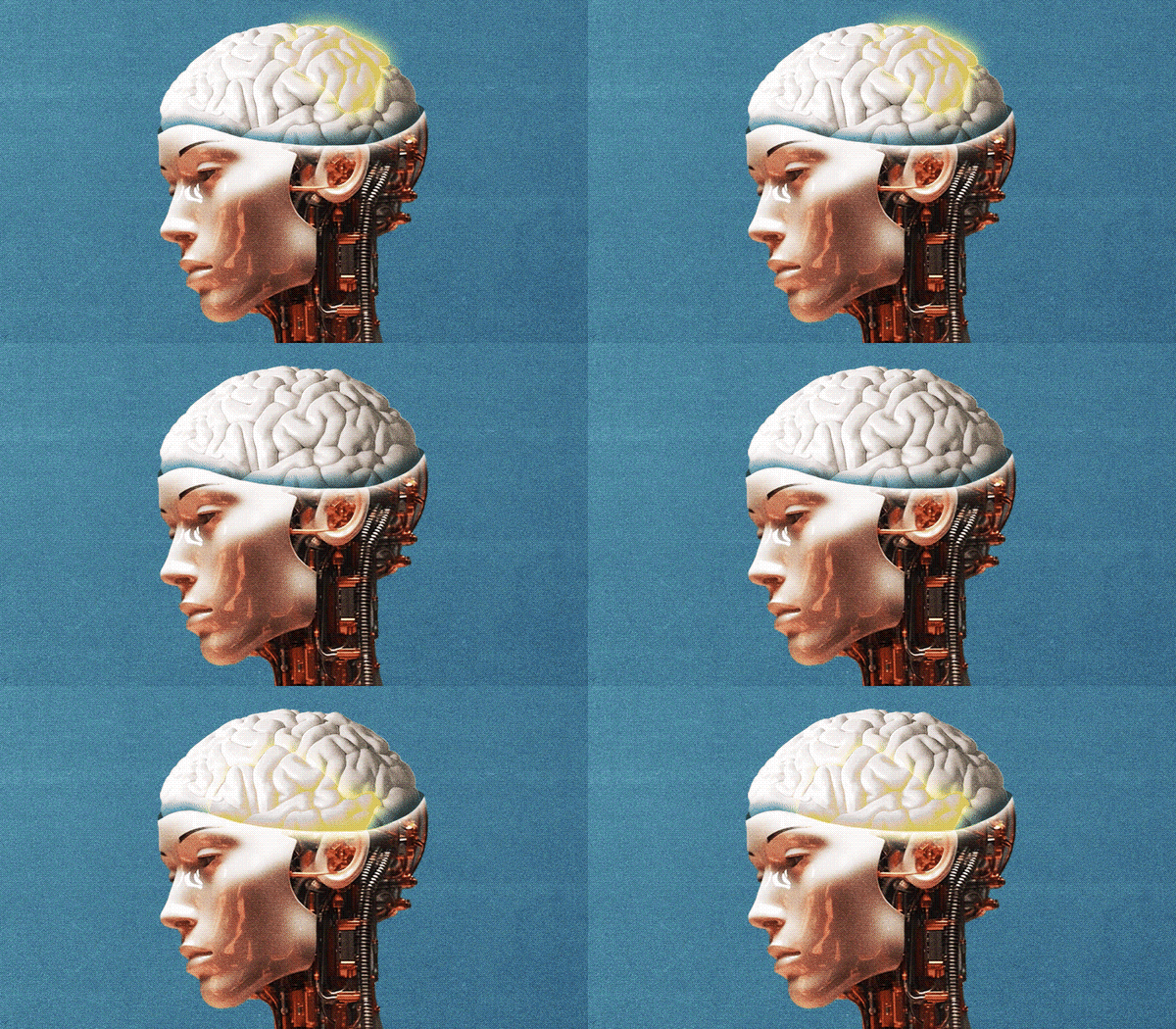
Marketing Operations Turns AI Readiness Into Strength
Marketing ops can connect customer journeys, driving growth, according to MarTech. Disconnected data hinders AI agents' performance.
Original reporting · martech.org
Original: “Marketing ops can turn AI agent readiness from a blind spot to a strength”
Read “Marketing ops can turn AI agent readiness from a blind spot to a strength” at MarTech →How this was written. Awesome B2B wrote this article with a language model from MarTech’s reporting (model: @cf/meta/llama-3.3-70b-instruct-fp8-fast); it describes that reporting rather than adding to it. The original, linked above, is the full story.
Key points from MarTech’s report
- Marketing operations teams can improve AI agent readiness by connecting customer journeys.
- Few companies have the necessary connected systems to support AI agents.
- Consumers prioritize accurate information over personalized recommendations.
Marketing operations teams have an opportunity to improve AI agent readiness, MarTech reported. Many customer experience leaders believe they are ready for AI agents, but few companies have the necessary connected systems in place.
More than 90% of customer experience leaders think they are prepared for AI agents, yet actual readiness is much lower. This discrepancy may be due to a lack of connected systems, which are required to support AI agents.
The SAP AI in Customer Experience Report found that only a small percentage of US and German companies have connected systems to support AI agents. The report examined how AI is changing business-customer interactions across the buying journey.
Consumers and B2B buyers are using AI to research and compare options before reaching a brand's owned channels. For marketing teams, this means ensuring product information is accurate and structured for AI agents to parse.
Brands must also clearly articulate their non-price differentiators, such as expertise and service commitments, so AI comparisons do not reduce their offerings to a commodity. If an AI engine cannot analyze an offering, it will not recommend it.
The customer journey is becoming increasingly hybrid, with buyers bouncing between third-party AI assistants, social media, and brand-owned channels. Marketing ops can map and connect these transitions to improve customer experiences.
Marketing teams are already using AI for content, campaigns, and lead generation, but few organizations have all systems connected across the end-to-end journey. Siloed AI adoption is failing businesses and customers, according to the report.
Consumers prioritize accurate information, such as pricing and availability, over personalized recommendations. Even if AI could flawlessly execute purchases, most consumers still want final approval before buying.
Post-purchase reliability and service resolution are increasingly important, as AI agents will factor a brand's operational track record into their recommendations. Marketing and customer service must come together to turn post-purchase interactions into retention and advocacy signals.
Questions and answers
What is the current state of AI agent readiness in companies?
Most customer experience leaders believe they are ready, but actual readiness is much lower due to a lack of connected systems.
What do consumers prioritize when interacting with AI agents?
Consumers prioritize accurate information, such as pricing and availability, over personalized recommendations.
How can marketing operations improve customer experiences?
Marketing ops can map and connect the transitions between third-party AI assistants, social media, and brand-owned channels to improve customer experiences.