Organizations Must Distinguish Issues From Crises
Failing to differentiate between issues and crises can lead to misallocation of resources and desensitize management to true crisis impact. This mistake can create a false sense of preparedness for real crises.
Original reporting · prdaily.com
Original: “Issue or crisis? 8 critical differences and why it matters.”
Read “Issue or crisis? 8 critical differences and why it matters.” at PR Daily →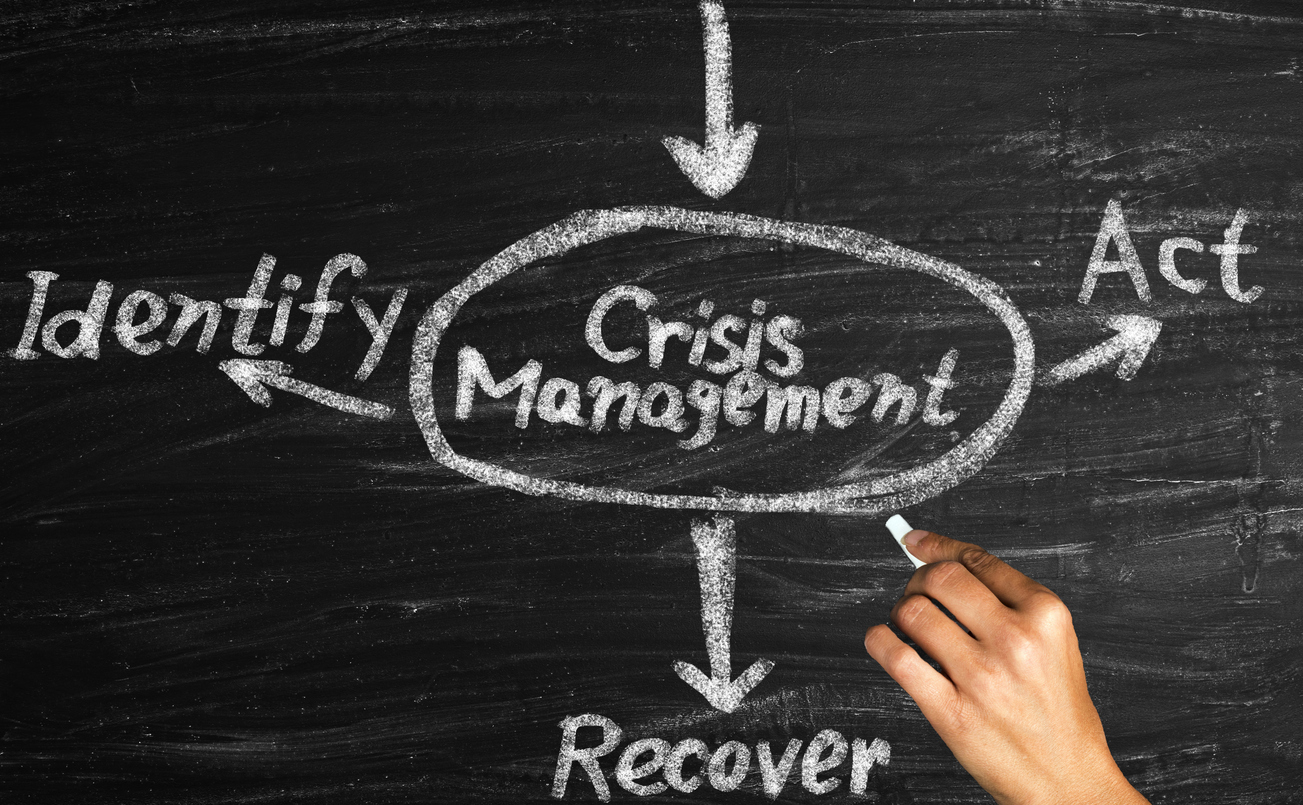
How this was written. Awesome B2B wrote this article with a language model from PR Daily’s reporting (model: @cf/meta/llama-3.3-70b-instruct-fp8-fast); it describes that reporting rather than adding to it. The original, linked above, is the full story.
Key points from PR Daily’s report
- Organizations must distinguish between issues and crises to allocate resources effectively and prepare for potential risks.
- Issues and crises have different characteristics, including choice, urgency, certainty, cost, continuity, duration, impact, and outcomes.
- Confusing issues and crises can lead to management failure, desensitize management to true crisis impact, and create a false sense of preparedness.
- Effective issue management allows for exploration of strategy options and informed decision-making, whereas crisis management involves making rapid decisions with limited information.
- Understanding the differences between issues and crises is crucial for developing effective management strategies and mitigating potential risks.
According to PR Daily, some organizations mistakenly treat issues and crises as interchangeable terms, which can have serious consequences. This error can lead to the misallocation of resources and a false sense of preparedness for when a real crisis strikes. Managers may inflate routine issues into crises to command executive attention or justify additional budget.
The distinction between issues and crises is critical, as they require fundamentally different responses. Issues and crises are interconnected, but failure to understand the difference can lead to management failure and create a serious vulnerability for the organization. This vulnerability can place the entire organization at risk, making it essential to understand the differences between issues and crises.
PR Daily reported that issues and crises have different characteristics, including choice, urgency, certainty, cost, continuity, duration, impact, and outcomes. Issue management allows for exploration of strategy options and informed decision-making, whereas crisis management involves making rapid decisions with limited information. In a crisis, time is of the essence, and delay can be detrimental.
The cost of dealing with an issue often informs strategy, whereas in a crisis, funding is usually found to address the situation. Crisis management can disrupt the continuity of an organization's core activity, requiring top executives to set aside other priorities. Issues can extend over months or years, while crises generally have a more explicit time frame, but the aftermath can persist long after the initial event.
The impact of an issue is often measured in terms of reputation, market share, or brand, whereas a crisis can threaten life, property, or the environment. Issue management aims for planned, positive outcomes, whereas crisis management focuses on damage control and enabling the organization to recover and survive. Understanding these differences is crucial for effective management and preparedness.
The consequences of confusing issues and crises can be severe, including desensitizing management to the true potential impact of crises. This confusion can lead to a false sense of preparedness, ultimately putting the organization at risk. By recognizing the differences between issues and crises, organizations can develop effective management strategies and mitigate potential risks.
In summary, distinguishing between issues and crises is essential for organizations to allocate resources effectively and prepare for potential risks. By understanding the critical differences between issues and crises, organizations can develop strategies to address each situation appropriately and minimize the risk of severe consequences.
Questions and answers
What happens when organizations confuse issues and crises?
Confusing issues and crises can lead to management failure, desensitize management to true crisis impact, and create a false sense of preparedness.
How do issues and crises differ in terms of cost?
In dealing with an issue, cost often informs strategy, whereas in a crisis, funding is usually found to address the situation.
What is the primary objective of crisis management?
The immediate objective of crisis management is damage control and, hopefully, enabling the enterprise to recover and survive.